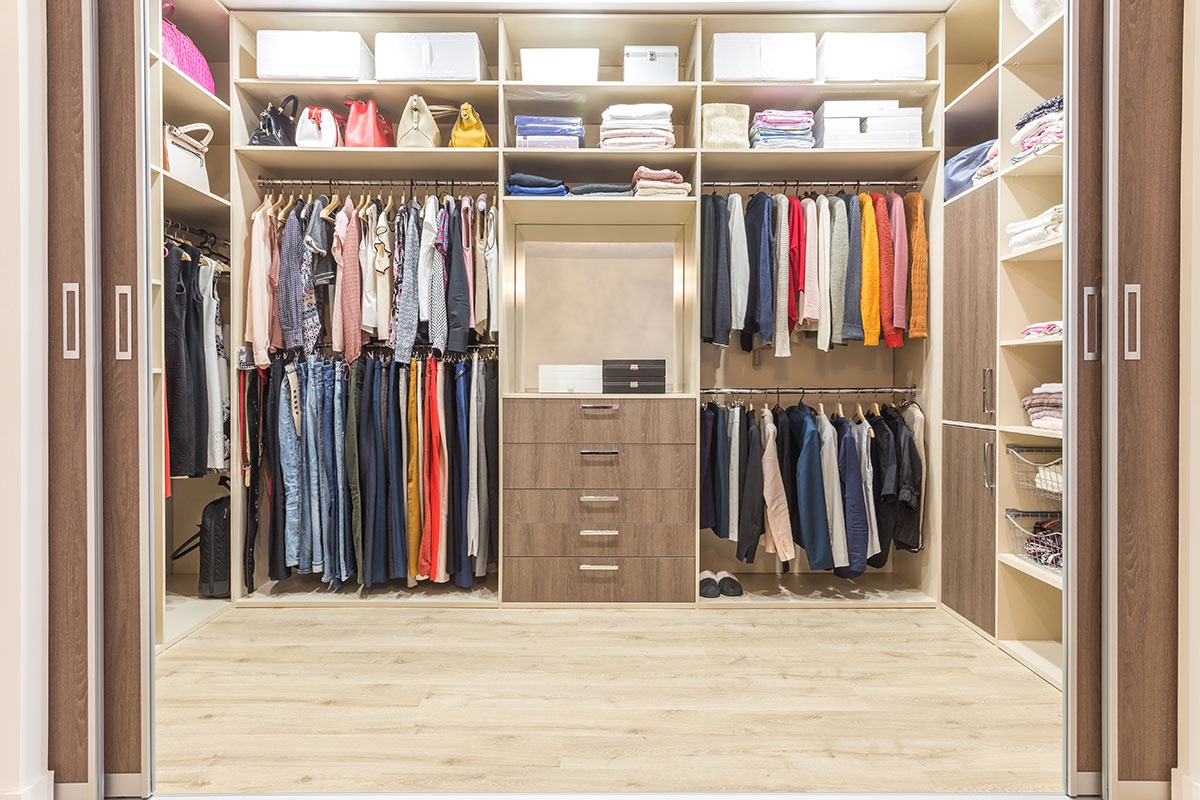
6 Hardest Things To Declutter in 2026 and how to finally let go
The hardest things to declutter aren't broken appliances or expired pantry items. They're the stuff that makes you feel something: your grandmother's letters, a shoebox of faded photos, the college notebooks you haven't opened in a decade. A  2026 NAPO survey of 2,000 Americans found that 34% of household items serve no functional purpose, and 13% qualify as outright junk. Most of that isn't garbage. It's sentimental clutter people can't bring themselves to toss.
The six hardest things to declutter are old school notes, books, photographs, appliance manuals, family heirlooms, and greeting cards. Each one triggers a different emotional response (guilt, identity, nostalgia, or fear of regret) that makes the keep-or-toss decision feel impossible. The fix isn't willpower. It's having a system that lets you honor the memory without hoarding the object.
I've worked with clients who kept 40-year-old chemistry notes "just in case." I've seen people cry over a stack of birthday cards from someone who's passed. None of that is silly. But there's a difference between preserving a memory and letting your basement become an emotional storage unit. Here are the six categories that trip people up the most, and what actually works for each.
Why Are Sentimental Items the Hardest to Declutter?
Sentimental items feel like letting go of the person or moment attached to them. That's the real barrier, not the physical object.
Professional organizers call this "identity clutter" and "aspirational clutter." Identity clutter is the engineering textbook you keep because being an engineer was a huge part of who you were. Aspirational clutter is the bread maker you bought because you wanted to be the kind of person who bakes from scratch. Both categories hijack your decision-making because getting rid of the item feels like admitting something about yourself that stings.
Roughly 54% of Americans say they feel overwhelmed by the amount of stuff in their homes (NAPO data still widely cited in 2025–2026 industry reports). And with the U.S. home storage market now valued at $12.05 billion and growing at nearly 5% a year, it's clear that buying more bins isn't solving the problem. The real fix starts with understanding why you're holding on.
Old School Notes, Notebooks, and Paperwork
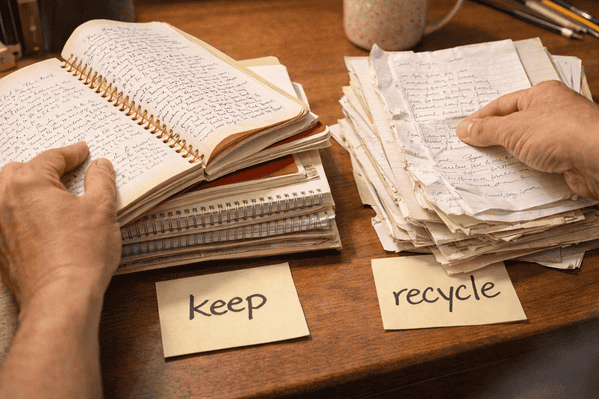
You don't need your college notes. That's the blunt version. Here's the honest one: if you haven't referenced those organic chemistry flash cards in 10 years, you won't start now.
Old schoolwork is classic aspirational clutter. You keep it because it represents an accomplishment, or because some part of you imagines a scenario where you'll "need" it. I kept a binder of journalism school clips for years. Never once cracked it open after graduation. When I finally recycled it, I felt lighter, not regretful.
If you genuinely have notes worth saving (licensing exam prep, for example), scan them with a free app like Adobe Scan or Google Drive's built-in scanner. Digital storage takes zero basement space. For everything else, take one photo of the A+ paper, feel the pride, and let the physical copy go.
How Do You Declutter a Book Collection?
Sort your books into three groups: keep, donate, and display. Keep is for favorites you reread, inscribed copies, and genuinely rare finds. Donate covers everything you're realistically done with. Display is for books with beautiful spines that work as decor on open shelving, even if you won't read them again.
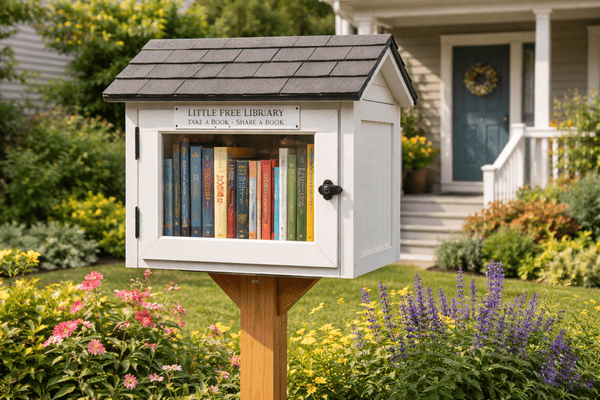
If dropping a box at the donation center feels impersonal, set up a Little Free Library outside your home. Your neighbors get to browse your collection, and you might pick up a new favorite from what others leave behind. That exchange softens the loss in a way a Goodwill receipt can't.
The contrarian take here: don't feel guilty about keeping books as decor. Every organizing influencer will tell you to purge anything you won't reread. But a bookshelf with personality adds warmth to a room, and a good home organizer will tell you the same thing. If a colorful spine brings you joy every time you walk past it, that's functional.
Photos and Old Film
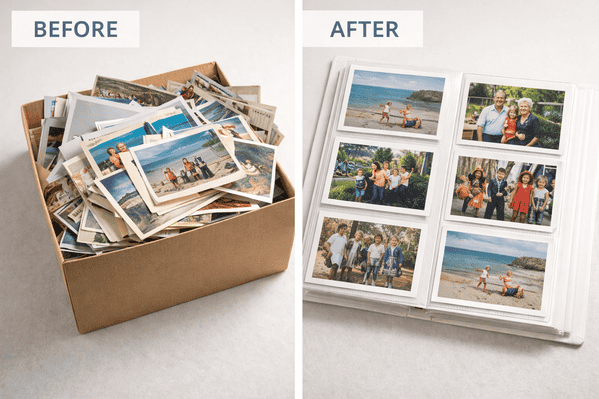
Photos are the one category where I lean toward keeping more than you think you should. We barely print photos anymore, so any physical prints you still have are almost certainly old and irreplaceable.
That said, a shoebox of loose photos sitting in your closet isn't preservation. It's neglect with good intentions. Services like EverPresent and ScanMyPhotos can digitize everything from faded snapshots to old film reels and audio recordings. Once your photos are safely stored online, you've got options. Share them with family, compile a photo book through a printing service, or just know they're backed up if anything happens to the originals.
Weed out duplicates and blurry shots first. That alone usually cuts a collection by 20–30%. Then store your best prints in archival boxes (not shoeboxes, which trap moisture). The goal isn't to throw away memories. It's to protect and organize the ones that matter.
Appliance Manuals and Product Paperwork
This one's easy, and it's the quickest win on this list. Almost every appliance manual published after 2005 is available as a free PDF on the manufacturer's website. Google the model number plus "manual" and you'll have it in 30 seconds.
Warranty cards are similar. Most major brands track warranties by serial number and purchase date, not by a physical card you mailed in. If you bought it with a credit card, your statement is your receipt.
The only paperwork worth keeping: active warranty documents for big-ticket items (HVAC systems, roofing, major appliances still under coverage). Everything else can go. I've seen junk drawers with manuals for blenders people threw out three years ago. That's not organization. That's inertia.
Family Heirlooms and Keepsakes
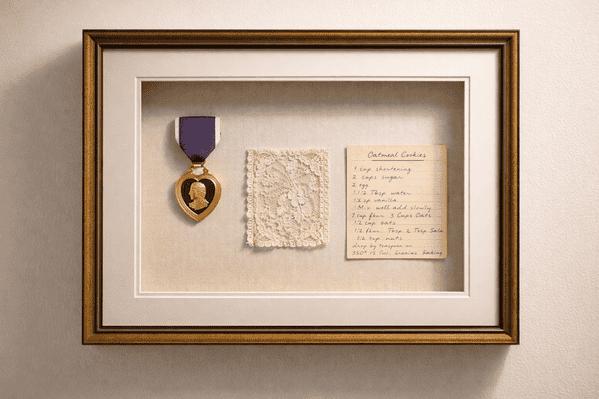
Heirlooms aren't really a decluttering problem. They're a display problem. Your grandfather's WWII medals and your great-aunt's silk scarves don't belong in a box in the attic. They deserve to be seen.
Shadow boxes and custom framing can turn sentimental keepsakes into real decor. A child's first pair of shoes, a hand-written recipe card, military patches. Framing them gives the item a purpose in your daily life instead of making it something you forget about for years.
Here's where people get stuck, though. They keep every heirloom from every relative, even items they have zero connection to. Be honest about which pieces carry meaning for you specifically. It's OK to pass things along to other family members, donate to a historical society, or let go of items that meant something to the previous owner but nothing to you. Guilt isn't a good enough reason to store things you'll never look at.
Should You Keep Every Greeting Card?
No. Keep the ones with handwritten messages that make you feel something. Let go of the ones where someone just signed their name.
I saved every card I received for about 15 years. Birthday cards, holiday cards, random "thinking of you" notes. The pile eventually filled two large shoeboxes. When I finally sat down to sort them, roughly a third had no personal message at all. Just a signature under a pre-printed Hallmark verse. Those went straight to recycling, and I didn't miss a single one.
For the keepers, pick a single container (a nice box, a small basket) and make that your limit. When it's full, you sort again. This forces a natural editing process. And if you're someone who loves giving cards, channel that energy going forward. Write longer notes. Make your cards worth keeping for the person who receives them.
If the emotional side of decluttering feels like too much to handle alone, consider bringing in a professional organizer who specializes in sentimental items. National averages run $50–$150 per hour (Angi, 2025), and a good organizer does more than sort boxes. They help you make the hard calls without the spiral. For many people, that outside perspective from a team that gets your situation is the difference between starting and actually finishing.
FAQs
How do I declutter sentimental items without regret?
Photograph or digitize the item before letting it go. A 2026 NAPO-cited survey found that 34% of household items are non-functional, and most "sentimental" pieces fall into that category. Keeping a digital record preserves the memory without the physical clutter. Give yourself a 30-day waiting period after removing an item. If you don't think about it once, you won't miss it.
What are the hardest things to declutter in a home?
The six hardest categories are old school notes, books, photographs, appliance manuals, family heirlooms, and greeting cards. Each triggers a different emotional attachment (guilt, identity, nostalgia, or fear). Sentimental items and aspirational clutter (things tied to who you want to be) are consistently the toughest for most people.
Should I buy organizing products before or after decluttering?
Always after. Buying bins and baskets before sorting is the single most expensive decluttering mistake. Professional organizers report clients wasting hundreds of dollars on storage solutions that don't fit their actual needs. Sort and donate first. Then measure what's left and buy containers that match.
Does hiring a professional organizer save money in the long run?
For most people, yes. The national average for a professional organizing project is $365–$530 (Angi, 2025), with hourly rates between $50 and $150. A good organizer prevents duplicate purchases, builds systems you can maintain, and typically finishes in 2–10 hours what takes a homeowner weeks to attempt alone.
How do I maintain organization after the initial declutter?
Schedule a 15-minute daily reset where you return items to their assigned spots. Do a deeper seasonal review every 3–4 months. The "one in, one out" rule works for most categories. If you bring home a new book, donate one. Some professional organizers also offer follow-up maintenance sessions for accountability.
What is the difference between sentimental clutter and aspirational clutter?
Sentimental clutter is tied to memories and people you love, like old photos or greeting cards from a parent. Aspirational clutter is tied to who you want to be, like exercise equipment you never use or craft supplies for a hobby you never started. Both are hard to let go of, but for different psychological reasons.
How many items should I declutter at a time to avoid burnout?
Start with one category or one small space per session. Attempting a whole-house purge in a weekend leads to decision fatigue and burnout. Research from organizing professionals shows that small, consistent steps (even 15–20 minutes a day) produce more lasting results than marathon sessions.